 Save to Pinterest
 There's something about the smell of donuts frying in oil that takes me straight back to Saturday mornings at my grandmother's kitchen. She'd stand there with her old donut cutter, turning out batch after batch of these tender, cakey donuts with a confidence I could only admire. One time I tried to rush the process and cut the dough too thin—they practically dissolved in the oil. But watching her work taught me the real magic isn't in fancy equipment; it's in the patience of letting the dough rest and the oil reach exactly the right temperature. These homemade cake donuts became my answer to every question about what to bring to a gathering.
I made these for a friend's birthday potluck, and something unexpected happened—they disappeared before most other desserts even made it to the table. Watching people's faces light up when they bit into one, still slightly warm with that delicate crumb, reminded me that sometimes the simplest things bring the most genuine joy. That day, these donuts stopped being just breakfast and became a memory.
Ingredients
- All-purpose flour (2 1/2 cups): The foundation of your tender crumb; measure by spooning and leveling rather than scooping straight from the bag, or you'll end up with dense donuts.
- Granulated sugar (1 cup): Adds sweetness and helps create that delicate texture; don't skip this or reduce it thinking it'll be fine.
- Baking powder (2 tsp) and baking soda (1/2 tsp): These are what make the donuts rise and stay light and fluffy in the center.
- Salt (1/2 tsp) and ground nutmeg (1/2 tsp): Salt enhances all the flavors, while a touch of nutmeg adds warmth and sophistication without announcing itself.
- Eggs (2 large) and buttermilk (3/4 cup): The buttermilk creates tang and tenderness; regular milk won't give you the same result.
- Unsalted butter (1/4 cup, melted and cooled) and vanilla extract (1 tsp): The butter adds richness, and cooling it first prevents the eggs from scrambling when combined.
- Vegetable oil for frying (about 1.5 liters): Use a neutral oil with a high smoke point; you'll want enough to submerge the donuts halfway.
- Powdered sugar (1 cup), milk (2-3 tbsp), and vanilla extract (1/2 tsp) for glaze: This ratio creates a glaze that clings without running off immediately.
- Granulated sugar (1/2 cup) and ground cinnamon (1 tsp) for cinnamon sugar coating: Mix these just before using so the cinnamon stays vibrant and doesn't clump.
Tired of Takeout? 🥡
Get 10 meals you can make faster than delivery arrives. Seriously.
One email. No spam. Unsubscribe anytime.
Instructions
- Mix your dry ingredients:
- In a large bowl, whisk together the flour, sugar, baking powder, baking soda, salt, and nutmeg until everything is evenly distributed. This step is where you're building the foundation of your donuts' structure and ensuring the leavening agents are spread throughout.
- Combine your wet ingredients:
- In a separate bowl, beat the eggs first, then whisk in the cooled buttermilk, melted butter, and vanilla extract until everything is smooth and well incorporated.
- Bring it all together gently:
- Pour the wet ingredients into the dry ingredients and fold together with a spatula until just combined—you should still see a few flour streaks. Overmixing develops gluten, which will make your donuts tough and dense instead of tender and delicate.
- Roll out your dough:
- Turn the dough onto a lightly floured surface and gently pat or roll it to about 1/2-inch thickness. If it's too soft, refrigerate it for 10 minutes to make cutting easier.
- Cut your shapes:
- Using a 3-inch donut cutter (or a large round cutter paired with a small one for the hole), cut out your donuts. Gather the scraps gently and re-roll once—pressing hard or re-rolling multiple times will toughen the dough.
- Heat your oil to the perfect temperature:
- In a deep pot, heat the vegetable oil to 350°F, using a thermometer to be precise. Too hot and the outside burns before the inside cooks; too cool and they absorb oil and taste greasy.
- Fry with confidence:
- Working in batches to avoid overcrowding, gently place the donuts into the hot oil and fry for 1 to 2 minutes per side until they're golden brown. You'll know they're ready to flip when the submerged edge turns golden and they've risen slightly.
- Drain and cool:
- Using a slotted spoon, transfer the fried donuts to a plate lined with paper towels. Let them cool for a minute or two before glazing or coating.
- Finish with glaze or cinnamon sugar:
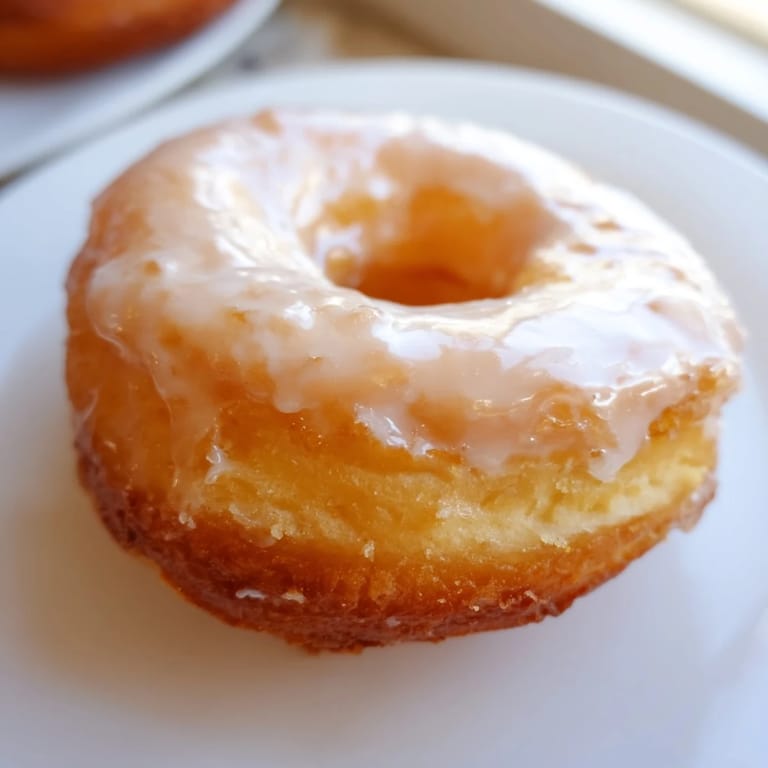
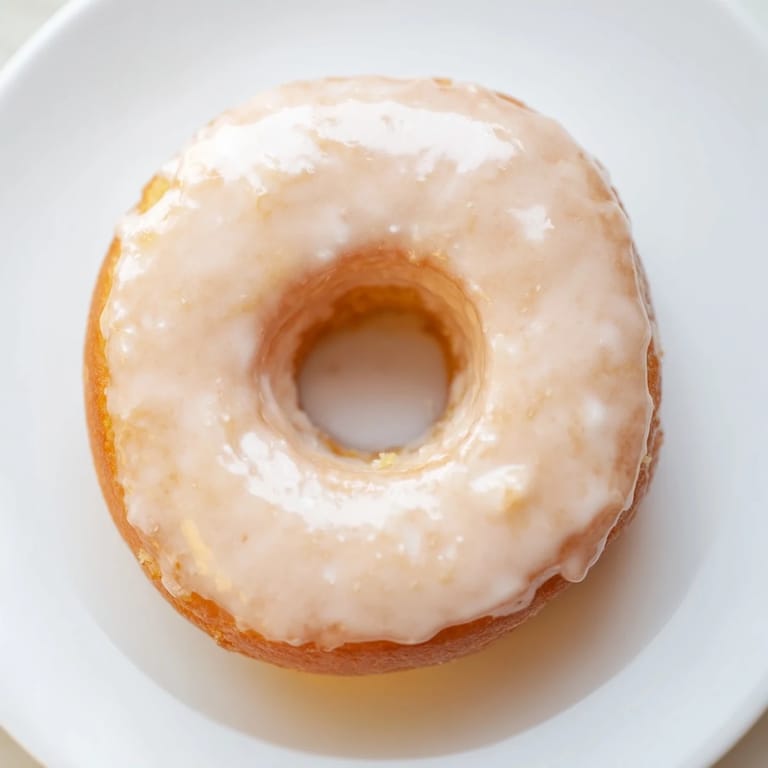
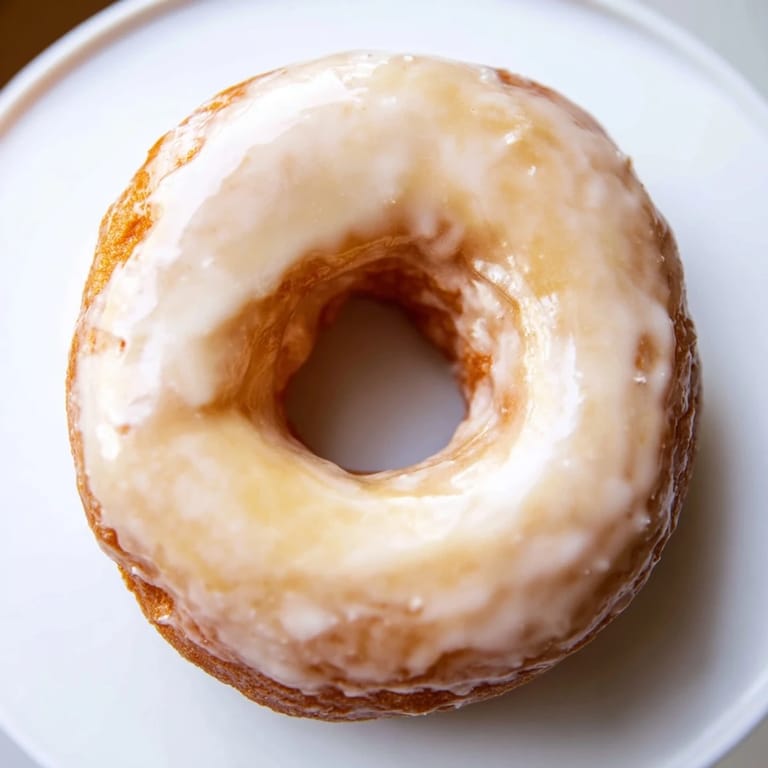
- For glaze, whisk together powdered sugar, milk, and vanilla until you reach a smooth, dippable consistency, then dip the warm donuts and place them on a wire rack. For cinnamon sugar, toss the warm donuts in the cinnamon-sugar mixture until fully coated.
 Save to Pinterest
 There was a morning when I made these for my kids before school, and the oldest one came into the kitchen and just stayed there, watching them fry. No rush, no grabbing something to eat in the car—just presence. That's when I realized these donuts had become part of our family's rhythm, the kind of small luxury that costs almost nothing but feels like everything when you bite into it warm.
The Oil Temperature Question
I spent years thinking I could tell when oil was ready by experience—you know, that feel you're supposed to get. Then one batch was almost inedible, and I finally broke down and bought a thermometer. It turns out my guess had been wildly inconsistent, sometimes 20 degrees too hot, sometimes too cool. Now I understand why so many homemade donuts disappoint: the oil temperature is almost always the culprit. When the oil hits 350°F and stays there, everything changes.
Storage and the Next Day Problem
These donuts are absolute magic the moment they cool, and still wonderful for the next 24 hours if you keep them in an airtight container at room temperature. I learned this the hard way after wrapping them in plastic wrap in the refrigerator, where they became a bit dense and lost their tender crumb. The cold doesn't help these—they're best enjoyed fresh or at least at room temperature. If you do have leftovers by some miracle, I've found that a quick 10 seconds in the microwave brings back some of that just-made softness.
Making Them Your Own
Once you've mastered the basic donuts, the variations are endless and limited only by your imagination. Some mornings I'll add lemon zest or almond extract to the batter, other times I'll dust them with vanilla powdered sugar instead of glaze. The donut holes are perfect for experimenting—fry them first, perfect them, then apply what you've learned to the full-sized donuts.
- Try adding 2 tablespoons of unsweetened cocoa powder to the glaze for a chocolate coating that feels a bit more grown-up.
- Substitute sour cream for buttermilk if that's what you have on hand, and you'll get a slightly tangier flavor that's equally delicious.
- The donut holes fry faster than the full donuts, so fry them in a separate batch and keep a close eye on them so they don't over-brown.
 Save to Pinterest
 There's a quiet joy in learning to make something so simple and so loved. These donuts aren't complicated, but they ask you to pay attention—to your oil temperature, to your timing, to the feel of the dough under your hands. That attention is what transforms ordinary ingredients into something worth gathering around.
Recipe FAQs
- → What gives these donuts their tender texture?
The combination of baking powder, baking soda, and buttermilk helps create a soft, tender crumb inside the donuts.
- → Can I substitute buttermilk in the batter?
Yes, sour cream is a good alternative that can provide a similar moisture and tanginess.
- → What oil is best for frying these donuts?
Vegetable oil works well due to its neutral flavor and high smoke point, ensuring even frying.
- → How do I achieve a smooth glaze for topping?
Whisk powdered sugar with milk and vanilla extract until smooth, then dip the warm donuts for a shiny finish.
- → Can the donut holes be prepared the same way?
Yes, donut holes fry quickly and can be coated with glaze or cinnamon sugar just like the larger donuts.