 Save to Pinterest
 I first tasted an elephant ear at a county fair when I was nine, watching the vendor stretch the dough so thin I could see his hands through it. The way it puffed and bubbled in the hot oil felt like magic. Years later, I learned to make them at home, and that first batch—uneven and a little too thick—still tasted like summer nights and Ferris wheel lights. Now I make them whenever I want to bring a little of that fairground joy into my kitchen.
The first time I made these for my nieces, they stood on chairs around the stove, watching the dough puff and turn golden. One of them said it looked like a cloud frying, and I havent been able to unsee it since. We ate them on the back porch with our fingers sticky and our faces dusted in cinnamon, and I realized this recipe wasnt just about the dough—it was about the gathering around it.
Ingredients
- Active dry yeast: This is what makes the dough light and airy, so make sure your milk is warm but not too hot or it will kill the yeast.
- Warm milk: The gentle heat wakes up the yeast and adds a soft richness to the dough that water cant match.
- Granulated sugar (for dough): Feeds the yeast and gives the dough a faint sweetness that balances the cinnamon topping.
- Unsalted butter, melted: Keeps the dough tender and adds a subtle buttery flavor that lingers after every bite.
- Salt: Just enough to bring out the sweetness and keep the dough from tasting flat.
- All-purpose flour: Start with 2½ cups and add more only if the dough feels too sticky, since too much flour will make them tough.
- Vegetable oil: Use a neutral oil with a high smoke point so the elephant ears fry crisp without tasting greasy.
- Granulated sugar (for topping): The base of that crunchy, sweet coating that makes these impossible to stop eating.
- Ground cinnamon: Warm and fragrant, it turns simple fried dough into something that smells like childhood.
- Unsalted butter, melted (for brushing): Optional, but it helps the cinnamon sugar stick and adds an extra layer of richness.
Tired of Takeout? 🥡
Get 10 meals you can make faster than delivery arrives. Seriously.
One email. No spam. Unsubscribe anytime.
Instructions
- Wake Up the Yeast:
- In a large bowl, dissolve the yeast in warm milk with 2 tablespoons sugar and let it sit until it foams and smells faintly sweet, about 5 minutes. If it doesnt foam, your milk was too hot or your yeast was old, so start over.
- Build the Dough:
- Stir in the melted butter and salt, then gradually mix in 2½ cups flour until a soft dough forms. Add more flour only if the dough clings to your hands, a tablespoon at a time.
- Knead Until Smooth:
- Turn the dough onto a floured surface and knead for about 5 minutes until it feels elastic and springs back when you poke it. Place it in a greased bowl, cover with a towel, and let it rise in a warm spot until doubled, about 1 hour.
- Prepare the Cinnamon Sugar:
- Mix the granulated sugar and cinnamon in a shallow dish and set it near your frying station so its ready the moment the dough comes out of the oil.
- Shape the Ears:
- Punch down the risen dough and divide it into 8 equal pieces. Roll each piece into a ball, then stretch or roll it into a thin oval about 8 inches long—dont worry if theyre not perfect.
- Heat the Oil:
- Pour 3 cups of vegetable oil into a large, deep skillet or Dutch oven and heat to 350°F. Test with a scrap of dough, it should sizzle and float immediately.
- Fry Until Golden:
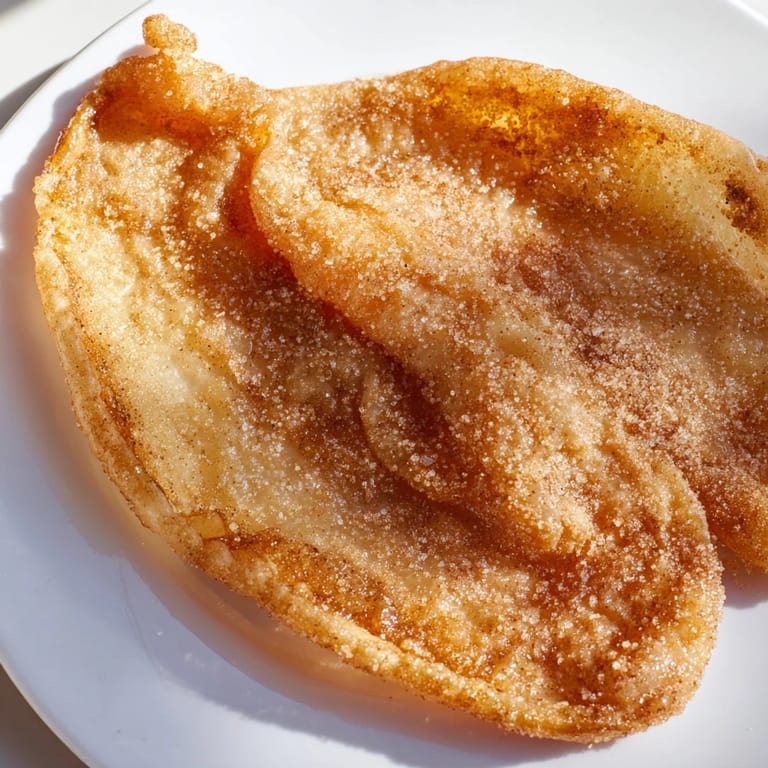
- Gently slide one or two ovals into the hot oil and fry, turning once, until they puff and turn golden brown, about 1 minute per side. Lift them out with a slotted spoon and drain briefly on paper towels.
- Coat in Cinnamon Sugar:
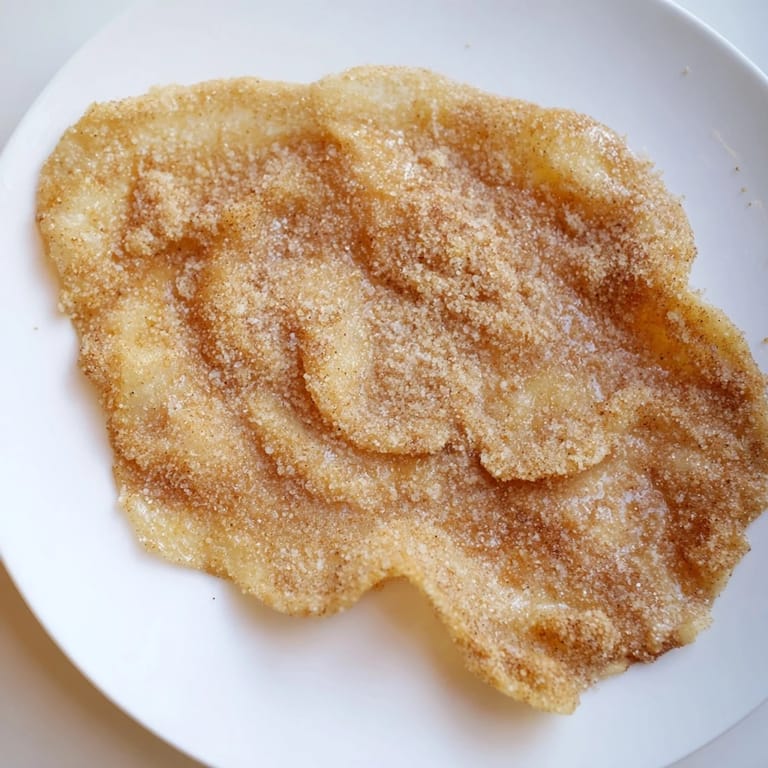
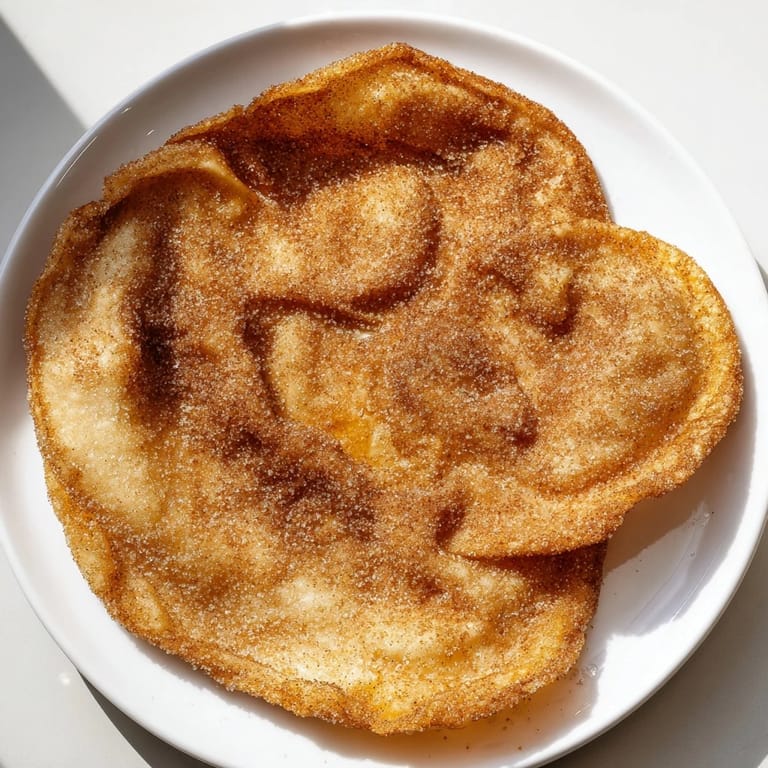
- Brush each warm elephant ear with melted butter if you like, then immediately dredge both sides in the cinnamon sugar. Serve them warm while theyre still crisp.
 Save to Pinterest
 One evening, I made a batch for a neighbor who had just moved in, and she told me they reminded her of the pastries her grandmother used to fry. We stood in my kitchen, eating them over the sink and swapping stories about the women who taught us to cook. That night, I realized food has a way of folding time, bringing the past into the present with just a bite.
How to Store and Reheat
Elephant ears are best eaten fresh, but if you have leftovers, store them in an airtight container at room temperature for up to 2 days. To reheat, place them on a baking sheet in a 350°F oven for about 5 minutes until they crisp up again. Microwaving will make them soggy, so avoid it if you can.
Flavor Variations to Try
If you want to experiment, try adding a pinch of nutmeg or cardamom to the dough for a warmer, spiced flavor. You can also drizzle them with chocolate sauce, honey, or fruit jam instead of cinnamon sugar. One time I topped them with powdered sugar and lemon zest, and they tasted like a carnival in spring.
Serving Suggestions
Serve these warm with a cup of hot coffee or cold milk for dipping. They also pair beautifully with vanilla ice cream or a simple bowl of fresh berries. I like to set out little bowls of honey, Nutella, and jam so everyone can customize their own.
- Dust with powdered sugar instead of cinnamon for a lighter, sweeter finish.
- Serve them alongside hot chocolate for a cozy winter treat.
- Cut them into smaller pieces for a shareable dessert platter.
 Save to Pinterest
 Every time I make elephant ears, I think about that first bite at the fair and how something so simple can hold so much joy. I hope these bring a little of that magic into your kitchen, too.
Recipe FAQs
- → What makes the dough crispy and golden?
Achieving a crispy, golden exterior comes from deep frying the thinly stretched dough at the correct temperature (350°F), which quickly cooks the dough and creates a puffed, crunchy texture.
- → How is the cinnamon sugar added?
The fried dough is brushed with melted butter, then immediately dredged in a mixture of granulated sugar and ground cinnamon, allowing the topping to adhere well.
- → Can the dough be prepared in advance?
Yes, the dough can be made ahead and refrigerated for up to 12 hours before rolling and frying.
- → What frying oil is recommended?
Vegetable oil is suitable for deep frying due to its high smoke point and neutral flavor, ensuring a crispy result without imparting unwanted taste.
- → Are there any tips for shaping the dough?
After dividing the dough into balls, roll or stretch each into an 8-inch thin oval to ensure even frying and a satisfying crunch.