 Save to Pinterest
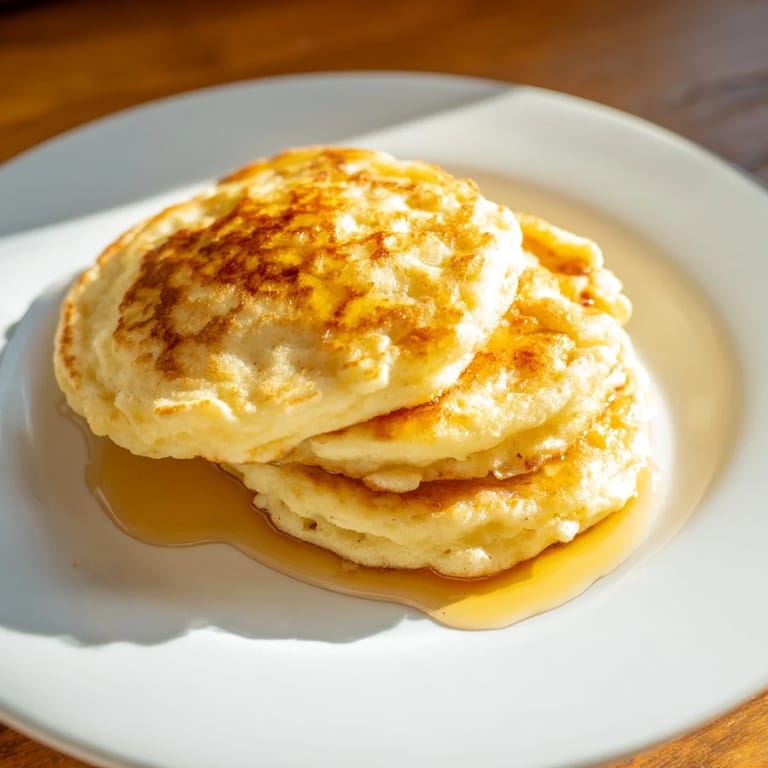
 My mom used to make regular pancakes every Sunday morning, but they always felt a bit too fluffy and forgettable. One day I was staring at a container of cottage cheese in the fridge, wondering what to do with it, and something just clicked—what if I blended it into the batter? The first batch surprised everyone. They were tender in a way I hadn't experienced before, with this barely-there tang that made the maple syrup taste sharper and sweeter at the same time. Now I can't imagine making them any other way.
I made these for my sister last spring when she was staying with me between jobs, feeling a bit lost and looking for small comforts. She sat at the kitchen counter with her coffee while I stood at the stove, flipping pancakes and talking about nothing important. When she took that first bite, she got quiet for a moment, then asked for the recipe. Sometimes the best meals aren't fancy—they're just the ones that show up when you need them.
Ingredients
- Cottage cheese: Full-fat gives you the richest, most forgiving results, but low-fat works just fine if that's what you have—the pancakes will still turn out creamy and tender. Don't use non-fat unless you're committed to adding an extra egg.
- Milk: Any kind works here, dairy or plant-based; it's just thinning the batter to the right consistency.
- All-purpose flour: This is the backbone, but resist the urge to sift unless your flour has been sitting around for months.
- Sugar: A tablespoon is all you need; these pancakes have a gentle sweetness that lets your toppings shine.
- Baking powder: Essential for lift, but old baking powder is your enemy—replace it every six months.
- Salt: A quiet ingredient that makes everything taste more like itself.
- Eggs: Three large eggs bind everything and add richness; they're not negotiable.
- Vanilla extract: Just a teaspoon rounds out the flavor without making things taste like dessert.
- Butter or oil: Use real butter for flavor, but neutral oil works if you're watching for splatters and smoke.
Tired of Takeout? 🥡
Get 10 meals you can make faster than delivery arrives. Seriously.
One email. No spam. Unsubscribe anytime.
Instructions
- Combine your wet base:
- Whisk the cottage cheese, eggs, milk, and vanilla together until smooth—you'll notice the cottage cheese breaks down and disappears into the mixture, though a few tiny curds are totally fine and add character. This is where the magic starts.
- Mix the dry team:
- In a separate bowl, whisk flour, sugar, baking powder, and salt together so everything is evenly distributed. This prevents lumpy pockets later.
- Bring them together gently:
- Pour the dry mix into the wet mix and stir until the streaks of flour disappear—the batter will be thick and a little lumpy, and that's exactly right. Overmixing develops gluten and makes pancakes tough, so stop as soon as everything is barely combined.
- Heat your cooking surface:
- Set a nonstick skillet or griddle to medium heat and let it warm for a minute or two. A small knob of butter should sizzle gently when it hits the pan, not violently pop.
- Scoop and spread:
- Drop about a quarter cup of batter onto the hot surface for each pancake—if it's too thick, spread it very gently with the back of your spatula just until it looks evenly thick. You want them about a quarter-inch thick.
- Watch for the flip signal:
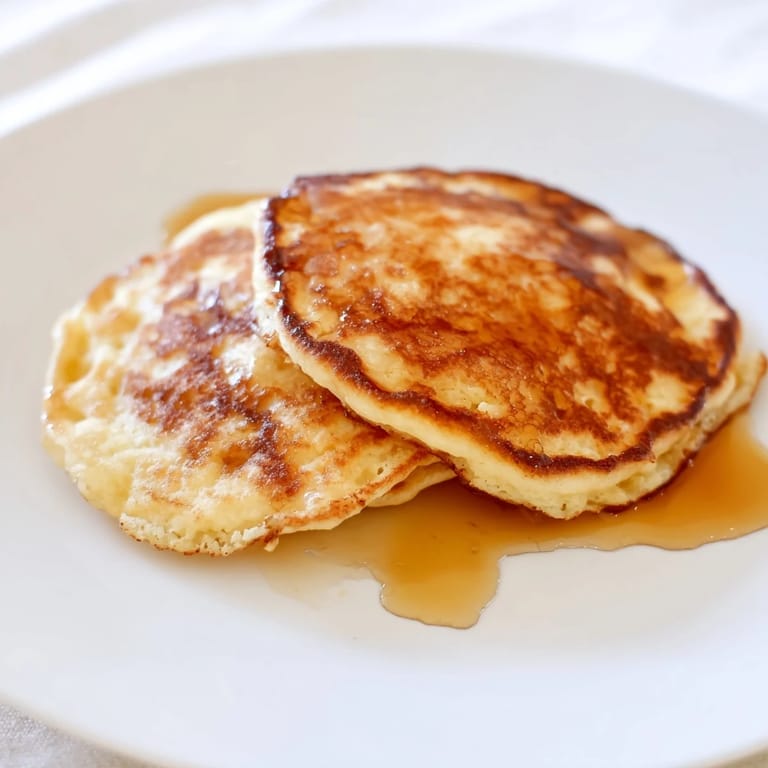
- In 2 to 3 minutes, bubbles will rise to the surface and stay there, and you'll see the edges turning a bit firm and the color shifting from pale to golden. That's when you know the first side is done.
- Flip with confidence:
- Slide your spatula underneath, flip smoothly, and cook for another minute or two until the second side is golden and a toothpick inserted would come out clean. Don't flip them too early—you'll trap steam and get weird pale spots.
- Keep the rhythm going:
- Repeat with the remaining batter, adding a little more butter or oil between batches as needed. Pancakes taste best warm, so serve them as you go rather than stacking them on a plate.
 Save to Pinterest
 Last winter I brought a stack of these to a neighbor who had just had a baby, along with some good honey and a little note. She called me three days later to say they were still eating them reheated in the toaster oven and they tasted perfect. It sounds small, but it reminded me that food does something beyond fill you up—it says "I was thinking of you" in a language everyone understands.
Why Cottage Cheese Changes Everything
Regular pancakes are mostly flour, which can feel heavy even when they're technically light. Cottage cheese swaps out some of that flour for protein and moisture, so you get pancakes that feel delicate on your tongue but actually stick with you for hours. The tang is so subtle you might not even recognize it as tang—it just makes everything taste more awake and alive. I've tried these with Greek yogurt before and it's good, but cottage cheese has a particular gentleness that works best.
Playing with Flavors
The vanilla is just a suggestion, not a mandate. A pinch of cinnamon turns them toward cozy breakfast territory, while lemon zest makes them bright and almost summery. I once added a tiny bit of almond extract by accident and didn't hate it. The point is that the base is forgiving enough to be your canvas—build on it, but don't overthink it.
Making Them Work for Your Life
On mornings when you're in a rush, these pancakes cool down to room temperature faster than thicker varieties, and they freeze beautifully for up to three weeks. A two-minute spin in the toaster or thirty seconds in a skillet brings them back to nearly-fresh status.
- For extra protein, look for high-protein cottage cheese varieties—they won't change the texture but they'll make these an even better post-workout breakfast.
- If you're experimenting with whole wheat flour, use just half the amount as a substitute, or the pancakes get dense and won't rise properly.
- Keep a little extra milk nearby while cooking in case the batter thickens as it sits—a splash or two keeps it at the right consistency.
 Save to Pinterest
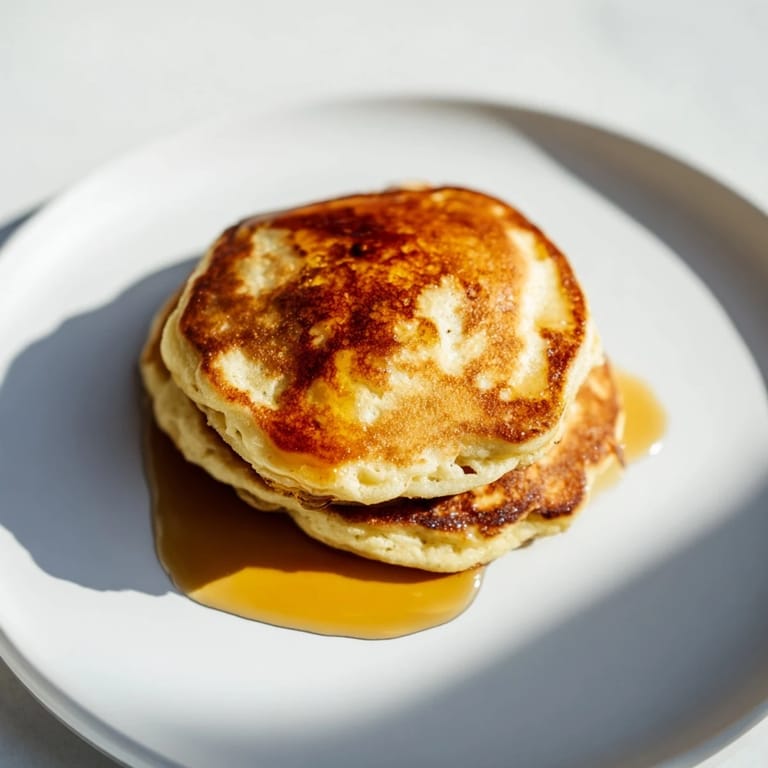
 These pancakes have become my answer to "what do you make when you want to feel like you're taking care of yourself and everyone around you at the same time." They're simple enough to make on a random Tuesday, but thoughtful enough to impress someone you love on a Sunday morning.
Recipe FAQs
- → What makes these pancakes fluffy?
The addition of cottage cheese adds moisture and a slight tang, resulting in a tender, fluffy texture when combined with eggs and leavened flour.
- → Can I substitute the flour in the batter?
Yes, whole wheat flour can be used for a heartier texture, though it may alter the lightness slightly.
- → How should I cook the pancakes for best results?
Use a nonstick skillet or griddle over medium heat with a bit of butter or neutral oil, cooking until bubbles form and edges set before flipping.
- → Can I add extra flavors to the batter?
Adding a pinch of cinnamon or lemon zest can enhance the flavor without overpowering the subtle tang from the cottage cheese.
- → Are these suitable for freezing?
Yes, cooked pancakes freeze well. Reheat them in a toaster or skillet to enjoy later without loss of texture.