 Save to Pinterest
 My neighbor knocked on my door one April afternoon with a basket of carrots from her garden, still wearing bits of dark soil. She mentioned offhandedly that spring called for something special, something that tasted like the season itself. That's when I pulled out my old carrot cake recipe, the one that had survived three kitchen renovations and countless celebrations. Standing there with those impossibly fresh carrots in my hands, I realized this cake wasn't just dessert—it was an excuse to gather people around something warm and spiced and alive.
I made this cake for my daughter's small spring brunch last year, and watching her friends go back for seconds—some of them skeptical about carrot cake to begin with—felt like winning something. One guest asked if I'd used actual cream cheese or some fancy substitute, genuinely surprised by how smooth and rich the frosting tasted. That's when I knew the balance of sweetness and tang was exactly right.
Ingredients
- All-purpose flour: The foundation here; I always spoon and level rather than scoop directly because one careless grab changes the whole texture.
- Baking powder and baking soda: This combination lifts the cake without making it cakey—baking soda reacts with the acidic applesauce for extra rise.
- Ground cinnamon, nutmeg, and ginger: These warm spices are what transform grated carrots into something that tastes like spring baking, not just vegetable filler.
- Eggs at room temperature: This matters more than you'd think; cold eggs don't incorporate as smoothly into the wet ingredients, affecting the final crumb.
- Granulated and brown sugar: The brown sugar adds moisture and depth, while granulated sugar provides lift—use both, not one or the other.
- Vegetable oil and applesauce: Oil keeps the cake tender and moist for days, while applesauce adds fiber and natural sweetness without excess moisture.
- Finely grated carrots: The size matters; too chunky and they don't distribute evenly, too fine and they break down into mush during baking.
- Chopped walnuts: Toast them lightly if you want deeper flavor, or leave them raw if you prefer subtle nuttiness.
- Cream cheese and butter for frosting: Both must be softened to the same temperature, or your frosting will look lumpy and feel grainy.
Tired of Takeout? 🥡
Get 10 meals you can make faster than delivery arrives. Seriously.
One email. No spam. Unsubscribe anytime.
Instructions
- Prepare your pans and preheat:
- Grease three 8-inch round pans and line them with parchment paper cut to fit the bottom—this prevents sticking and makes removal so much easier. Set your oven to 350°F and let it heat while you gather ingredients so everything bakes at the right temperature.
- Combine your dry ingredients:
- Whisk together flour, baking powder, baking soda, cinnamon, nutmeg, ginger, and salt in a medium bowl, breaking up any clumps of spices as you go. This distributes the leavening agents and spices evenly so you get consistent flavor in every bite.
- Create the wet base:
- Beat eggs with both sugars until the mixture looks pale and slightly thickened, about 2–3 minutes—this incorporates air that helps the cake rise. Add oil, applesauce, and vanilla, mixing until everything is glossy and smooth.
- Gently bring it together:
- Add the dry ingredients to the wet ingredients using a spatula or wooden spoon, stirring just until combined—overmixing develops gluten and makes the cake tough. Stop as soon as you see no more flour streaks.
- Add the vegetables and nuts:
- Fold in grated carrots and chopped walnuts carefully, using the same light hand you've been using throughout. The batter should look studded with carrot shreds and nutty bits.
- Divide and bake:
- Pour batter evenly into the three prepared pans, smoothing the tops with a spatula so they bake at the same rate. Bake for 30–35 minutes until a toothpick inserted in the center comes out clean or with just a few moist crumbs.
- Cool with patience:
- Let the cakes rest in the pans for 10 minutes to set, then turn them out onto a wire rack to cool completely—this prevents condensation that makes the tops soggy. Don't skip this step even though you're eager to frost.
- Make the frosting:
- Beat softened cream cheese and butter together until completely smooth, then gradually add sifted powdered sugar while mixing on low speed to avoid clouds of sugar. Once combined, increase speed and beat until fluffy and light, about 2 minutes.
- Build and frost:
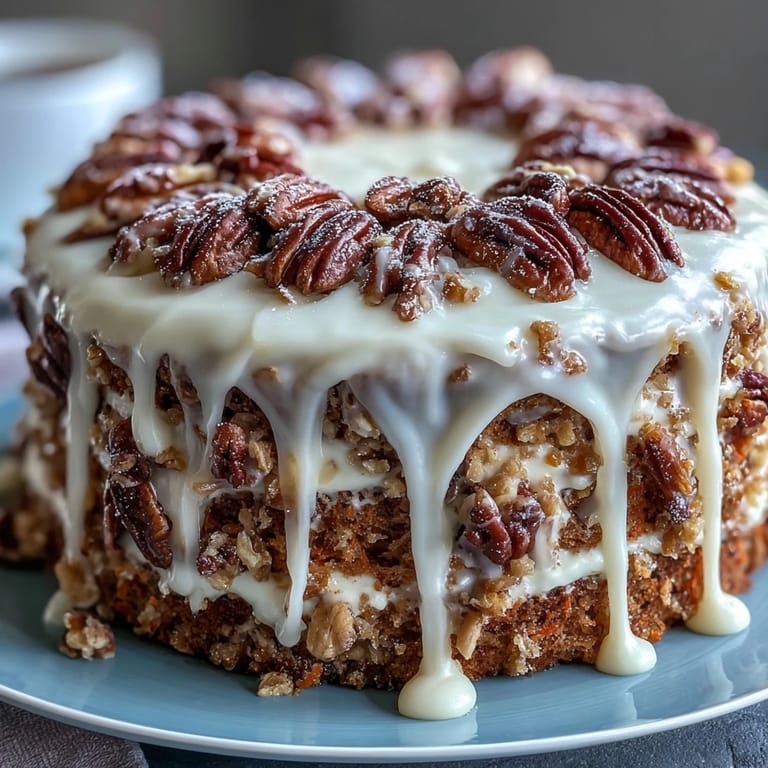
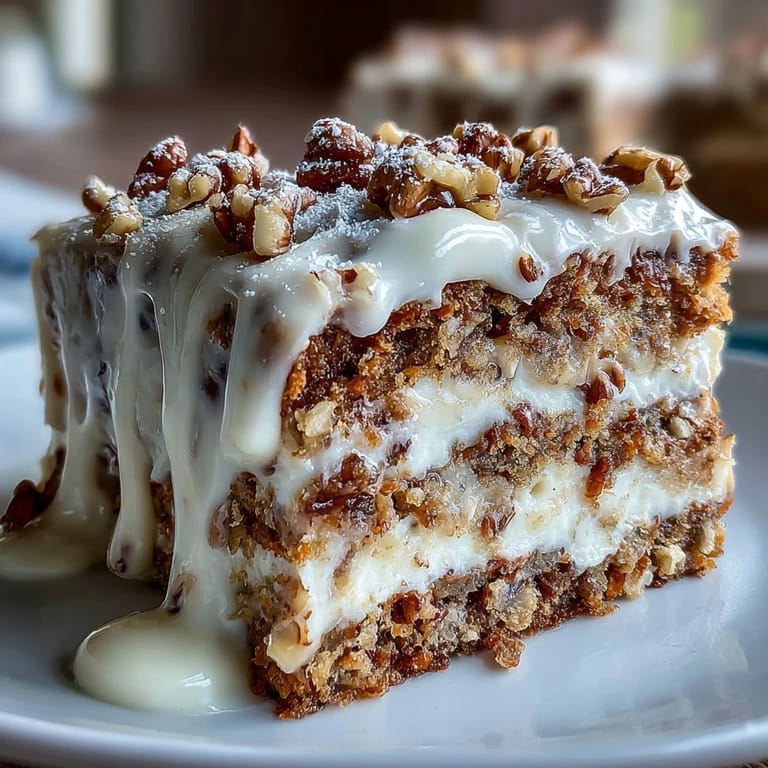
- Level each cake layer if needed using a serrated knife, then place the first layer on your serving plate and spread with a generous layer of frosting. Repeat with the second layer, then crown with the third and frost the top and all sides.
 Save to Pinterest
 A friend who usually avoids desserts told me this cake tasted like someone had bottled the smell of her grandmother's kitchen, which felt like the highest compliment I could receive. That's when I understood that good cake isn't about impressing anyone—it's about creating a moment where people feel remembered and cared for.
Secrets to a Tender Crumb
The combination of oil and applesauce is what keeps this cake impossibly moist. Oil provides richness and tenderness that butter alone can't achieve, while applesauce adds moisture without adding so much liquid that the cake becomes dense or soggy. I learned this after making a too-dry version years ago, and now I never experiment with these proportions.
The Frosting Matters More Than You Think
Cream cheese frosting can be temperamental, but understanding why makes all the difference. The ratio of cream cheese to butter to powdered sugar must stay balanced—too much powdered sugar and it becomes chalky and grainy, too little and it feels greasy. I've learned that beating on medium speed for just the right amount of time produces that perfect fluffy texture, whereas overmixing makes it break down into something slick.
Making It Your Own
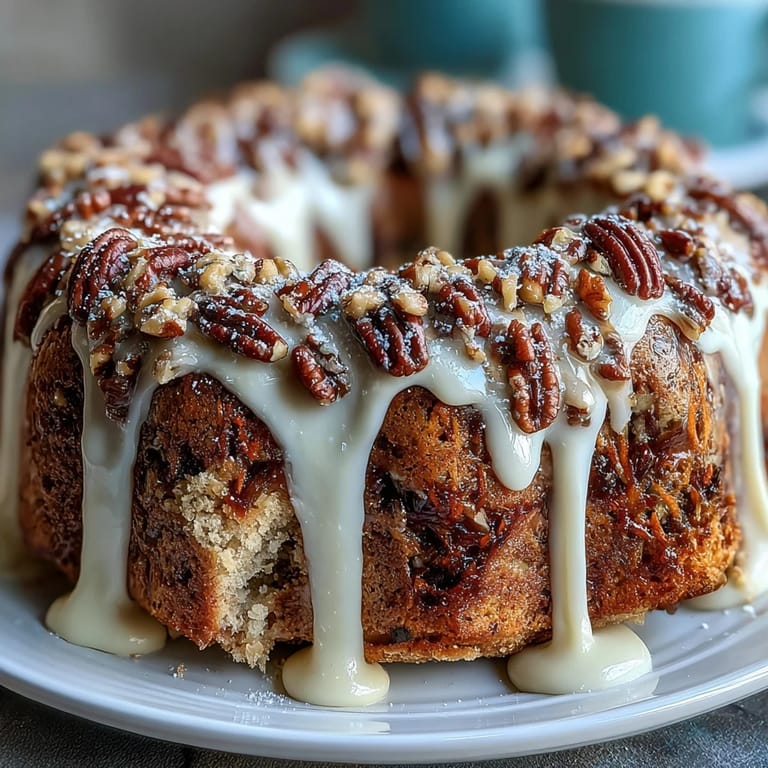
This cake welcomes variations without losing its soul. You can add dried pineapple or raisins to the batter for bursts of sweetness, or swap half the walnuts for pecans if that's what you love. Some bakers add a teaspoon of espresso powder to deepen the spices, a trick that sounds strange until you taste it.
- Edible flowers or carrot curls on top turn this into something that looks like spring tastes.
- Make it a day ahead and refrigerate—the flavors actually deepen and meld overnight.
- Serve with chai tea or a light Riesling for a pairing that feels intentional and special.
 Save to Pinterest
 This cake has become my answer to spring celebrations, that moment when you want something that tastes like tradition but feels like you're making it up as you go. Make it for someone who matters, and watch how the simple act of layering cake and frosting becomes its own kind of love language.
Recipe FAQs
- → What spices enhance the flavor of the cake?
Cinnamon, nutmeg, and ginger add warm, aromatic notes that complement the carrots and walnuts beautifully.
- → How do I achieve moist cake layers?
Incorporating vegetable oil and unsweetened applesauce ensures a tender, moist crumb throughout the layers.
- → Can walnuts be substituted or omitted?
Walnuts provide a crunchy texture and rich flavor, but pecans or almonds can be used as alternatives, or omitted for a softer bite.
- → What is the best way to frost and layer the cake?
Once the cake layers are cooled, spread the cream cheese frosting evenly between layers and on all sides, ensuring a smooth, even finish.
- → How can this layered cake be decorated?
Top with extra chopped walnuts and fresh edible flowers or carrot curls for a festive and elegant presentation.
- → What drinks pair well with this dessert?
A lightly sweet Riesling or chai tea complements the spiced flavors and richness of the frosting perfectly.