 Save to Pinterest
 My weeknight dinners shifted the moment I discovered how forgiving tilapia is when you're pressed for time. There's something quietly satisfying about sliding a sheet of herb-seasoned fish into the oven while rice simmers on the stove, knowing that in less than 40 minutes you'll have something that tastes intentional and tastes good. This bowl came together almost accidentally one Tuesday, when I had tired vegetables and a hungry family, and somehow it became the meal everyone now asks for.
I made this for my sister during a rare Sunday afternoon when she'd finally come home from her job traveling constantly. She stood at the counter while I worked, and when she took her first bite, she closed her eyes and said it tasted like someone had time to think about feeding her. That might sound small, but it stayed with me.
Ingredients
- Tilapia fillets (4, about 150 g each): This fish is the secret weapon for beginners because it flakes at the gentlest touch and won't fight back if you're still learning your oven's temperament. Pat them bone-dry before seasoning so the herbs actually stick instead of sliding off into a puddle.
- Olive oil (2 tbsp for fish, 1 tbsp optional for vegetables): Use what you have, but don't skimp here because it's the bridge between the fish and the herbs, helping everything meld together.
- Lemon juice (1 tbsp): This brightens everything without making you taste an obvious citrus presence, which is exactly what you want when you're keeping things simple.
- Dried Italian herbs (2 tsp or a mix of parsley, thyme, and oregano): I've made this with both jar blends and custom mixes, and honestly, either works beautifully as long as the herbs haven't been sitting in your cabinet since 2019.
- Garlic powder (1/2 tsp): Fresh garlic would burn at this oven temperature, so trust the powder here to deliver steady, reliable flavor.
- Salt and black pepper, to taste: Don't rush this seasoning step because these humble ingredients are doing all the heavy lifting in a simple dish.
- Long-grain white rice (1 cup) or brown rice: I've used both interchangeably, though brown rice adds a subtle nuttiness that catches people off guard in the best way.
- Water (2 cups for rice): This ratio is the one thing you should follow exactly, or your rice will either drink the whole pan or sit there crunchy and sad.
- Salt (1/2 tsp for rice, to taste for vegetables): Season the cooking water so every grain absorbs a whisper of flavor from the start.
- Broccoli florets (2 cups) and carrot slices (2 carrots, peeled): These vegetables are here to add color and texture, but they're also honest and undemanding, steaming happily while everything else cooks.
Tired of Takeout? 🥡
Get 10 meals you can make faster than delivery arrives. Seriously.
One email. No spam. Unsubscribe anytime.
Instructions
- Set up your oven and sheet:
- Heat your oven to 200°C (400°F) and line a baking sheet with parchment paper or a light grease so nothing sticks and cleanup feels like a gift to your future self. This is the moment to also fill your saucepan with water and get it ready to boil, because you're about to move quickly.
- Prepare the fish with intention:
- Pat your tilapia fillets completely dry with paper towels because moisture is the enemy of browning, and this fish deserves at least a little color. Whisk together olive oil, lemon juice, herbs, garlic powder, salt, and pepper in a small bowl until it looks like a rough paste, then brush both sides of each fillet so every inch gets coated.
- Get the fish into the oven:
- Lay your fillets on the prepared sheet and slide it into the oven, setting a timer for 12 to 15 minutes. The fish is done when it flakes easily with a fork and looks opaque all the way through, not when it's falling apart.
- Start the rice while the fish cooks:
- Once your water is boiling with salt already stirred in, add your rice all at once and stir it once. Lower the heat, cover the pot, and let it simmer undisturbed for 15 to 18 minutes if you're using white rice, or 35 to 40 minutes for brown rice. The cover is non-negotiable here.
- Steam the vegetables gently:
- Fill a pot with a few inches of water and bring it to a gentle simmer, then place your steamer basket with broccoli and carrots over the steam. This takes about 5 to 7 minutes, and you'll know they're ready when a fork slides through the carrots but they still have a little snap to them.
- Bring it all together in bowls:
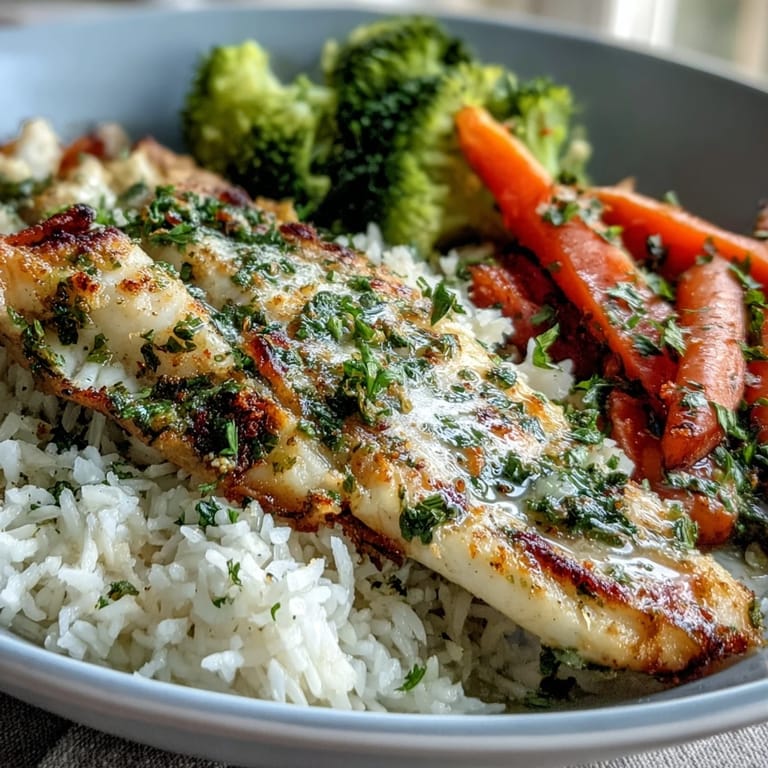
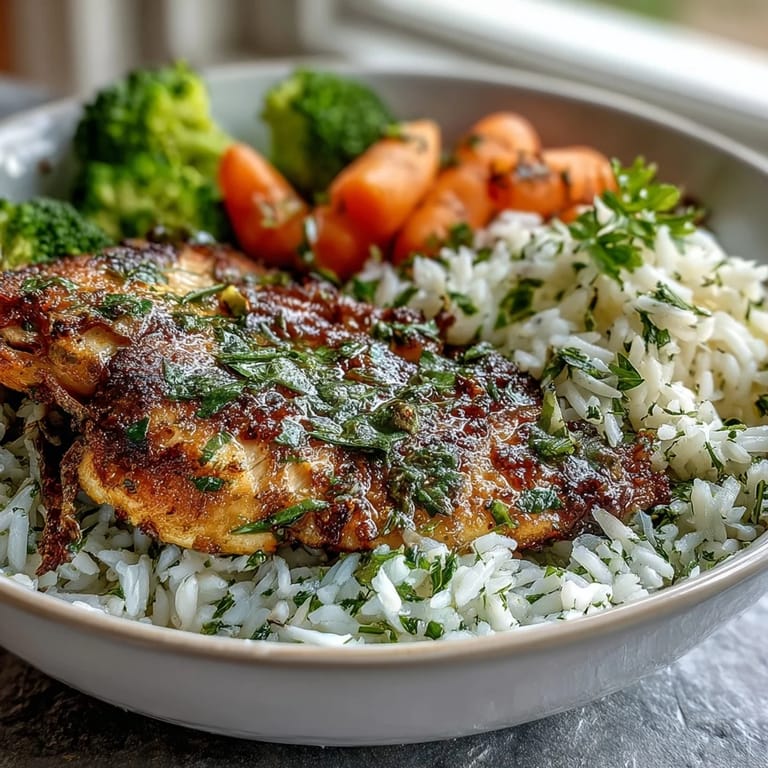
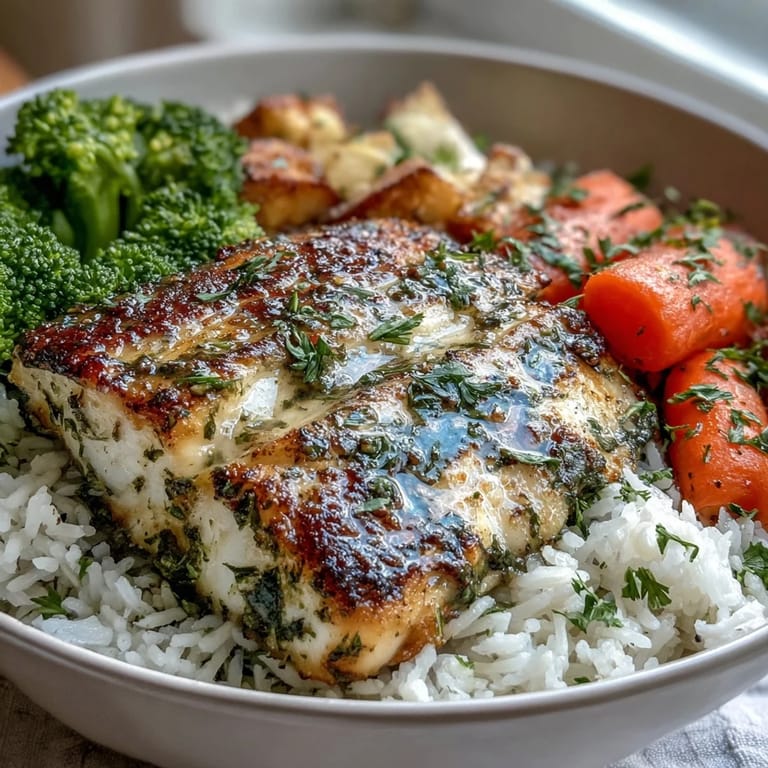
- Fluff your rice with a fork, divide it among four bowls, and top each portion with a tilapia fillet and a generous handful of steamed vegetables. If you're using that optional olive oil for the vegetables, toss them gently right before serving so they glisten.
 Save to Pinterest
 My ten-year-old, who was skeptical about anything that looked green, asked for seconds of the broccoli one night, and I realized this bowl had quietly won him over by not trying too hard. That's when I understood this recipe's real power isn't in complexity or fancy technique, it's in the fact that it works.
The Science of Gentle Heat
Tilapia has less fat than salmon, which means it can dry out quickly if you're not careful, but at 200°C with just 12 to 15 minutes, the heat stays gentle enough to cook the fish through without stealing its moisture. I learned this the hard way by watching a perfectly good fillet turn into fish jerky, and now I understand that with delicate fish, less time is genuinely better than more.
Building Flavor Without Fuss
The secret to this bowl being something you'll actually want to eat is that nothing here competes for attention. The rice is plain on purpose so it absorbs the gentle flavor from the fish, the vegetables steam without any oil or butter unless you choose to add it, and the herbs on the fish tie everything together. It's the kind of restraint that actually makes food taste better instead of boring.
Timing Tips That Actually Work
The beauty of this meal is that all three components finish at almost exactly the same time if you're paying attention to the clock rather than wandering off.
- Start boiling your water for rice first, then preheat your oven while you're gathering ingredients.
- The vegetables go into the steamer about halfway through the fish's cooking time so everything lands hot and fresh on the plate together.
- If your rice finishes early, remove it from the heat, keep the cover on, and let it rest for a few minutes instead of opening it up.
 Save to Pinterest
 This bowl has become my answer when I want to cook something real for people I care about without spending the whole evening in the kitchen. It's proof that simple doesn't mean forgettable.
Recipe FAQs
- → Can I use frozen fish fillets?
Yes, frozen tilapia works well. Thaw completely in the refrigerator overnight, then pat dry before seasoning. This prevents excess moisture from making the fish soggy during baking.
- → How do I know when the tilapia is done?
The fish is ready when it flakes easily with a fork and appears opaque throughout. The internal temperature should reach 145°F (63°C). Avoid overcooking, as tilapia dries out quickly.
- → What vegetables can I substitute?
Try bell peppers, zucchini, green beans, or asparagus. Roast them alongside the fish for added depth, or steam any tender vegetables like snap peas and cauliflower florets.
- → Can I meal prep these bowls?
Absolutely. Store components separately in airtight containers for up to 4 days. Reheat fish gently at 350°F to maintain texture, or enjoy cold over salad greens for a lighter option.
- → Is brown rice a better option?
Brown rice adds fiber and nutty flavor but requires longer cooking time. Quinoa, farro, or cauliflower rice work too. Adjust cooking liquid and time according to package directions.
- → What herbs work best with tilapia?
Dried Italian herbs, parsley, dill, thyme, and basil complement tilapia's mild flavor. Fresh herbs added after baking provide bright pops of taste and color.