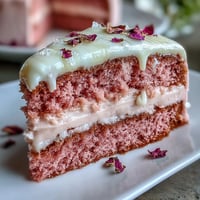
 Save to Pinterest
 The first time I made this Rosé Velvet Cake, the kitchen was awash with the scent of sweet wine and melting chocolate, and I remember nervously swirling the pink gel food coloring like I was mixing up a potion. The color deepened with every fold, and to my surprise, the batter shimmered subtly in the sunlight sneaking through my window. My playlist had drifted into Parisian jazz, and for a moment, I felt like I was crafting dessert in a little French patisserie. There’s a quiet thrill in seeing an ordinary cake transform into something dazzling with the touch of edible gold—my hands trembled a bit while painting each golden drip. Sometimes, the most beautiful cakes are born from everyday afternoons that turn suddenly magical.
One spring, I baked this cake for my cousin&aposs bridal shower, with the whole family bustling around trying to prep sandwiches and hang paper lanterns. My niece peeked into the kitchen just as I started swirling on the final coat of buttercream, and together we tried (and failed) to pipe tiny roses but ended up with a joyfully imperfect pattern. That shared laughter, and the little finger marks left in the frosting, made the cake taste even sweeter when we finally sliced it open for everyone.
Ingredients
- All-purpose flour: Sift before measuring to keep the layers tender and prevent lumps; resist the urge to pack it in.
- Granulated sugar: Brings just enough sweetness—a little extra can overwhelm the delicate rosé notes.
- Baking soda: Lends a light lift, and I once forgot it—so I never skip double-checking now.
- Fine salt: Balances flavors and enhances sweetness; I always sprinkle carefully.
- Cocoa powder (unsweetened): Just a touch adds depth and makes the pink pop; don’t be tempted to use sweetened, or it’ll muddle the flavor.
- Vegetable oil: Keeps the crumb incredibly moist, even after refrigeration.
- Large eggs: Leave them out to reach room temp for a silky, smooth mixture with no streaks.
- Buttermilk: Room temperature is key for a soft crumb—the tang also plays beautifully with the rosé.
- Rosé wine: Use dry or sparkling for a subtle, elegant flavor; sweet rosé can overpower the cake.
- Vanilla extract: Rounds out the flavors and adds warmth.
- White vinegar: Gives the cake its signature velvet texture—don’t skip it!
- Pink or rose gel food coloring: Gel creates that perfect blush hue; add gradually for precise color control.
- Unsalted butter: For the buttercream; beating it well makes the frosting extra fluffy.
- Powdered sugar: Sift to avoid lumps and achieve a cloudlike finish.
- Heavy cream: Turns the drip glossy and smooth—it’s my not-so-secret shine hack.
- White chocolate chips: Melt gently to avoid seizing and graininess in the drip.
- Edible gold luster dust: Only use food-grade for painting; the shimmer truly makes the cake look enchanted.
- Vodka or clear lemon extract: Helps dissolve the luster dust for brush-on gold—but don’t add too much, or it won’t dry.
Tired of Takeout? 🥡
Get 10 meals you can make faster than delivery arrives. Seriously.
One email. No spam. Unsubscribe anytime.
Instructions
- Prepare and Preheat:
- Turn on the oven to 350°F (175°C) and line three 8-inch cake pans with parchment. Grease them well—trust me, you’ll thank yourself for the fuss when the layers slip out clean.
- Sift the Dry Mix:
- In a large bowl, sift flour, sugar, baking soda, salt, and cocoa powder. The gentle tap of the sifter feels like a small meditation before the action begins.
- Combine the Wet Ingredients:
- Whisk together oil, eggs, buttermilk, rosé, vanilla, and vinegar until smooth. A gentle hand here keeps everything airy and light.
- Mix and Tint the Batter:
- Add the wet mix to the dry, stirring just to combine—don’t overmix. Swirl in the gel food coloring a little at a time to achieve a delicate, rosy pink (pause to admire the hue).
- Bake:
- Divide the batter evenly among the pans and slide them into the oven. Bake for 30-35 minutes, until a toothpick comes out mostly clean with just a few crumbs.
- Cool Completely:
- Let the cakes rest in their pans for 10 minutes, then tip them onto a rack to cool all the way—don&apost rush this or the buttercream will melt.
- Make the Rosé Buttercream:
- Beat butter on high until pale and fluffy. Gradually add powdered sugar and beat until smooth, then drizzle in rosé and vanilla; keep beating for a dreamy, spreadable texture.
- Assemble and Frost:
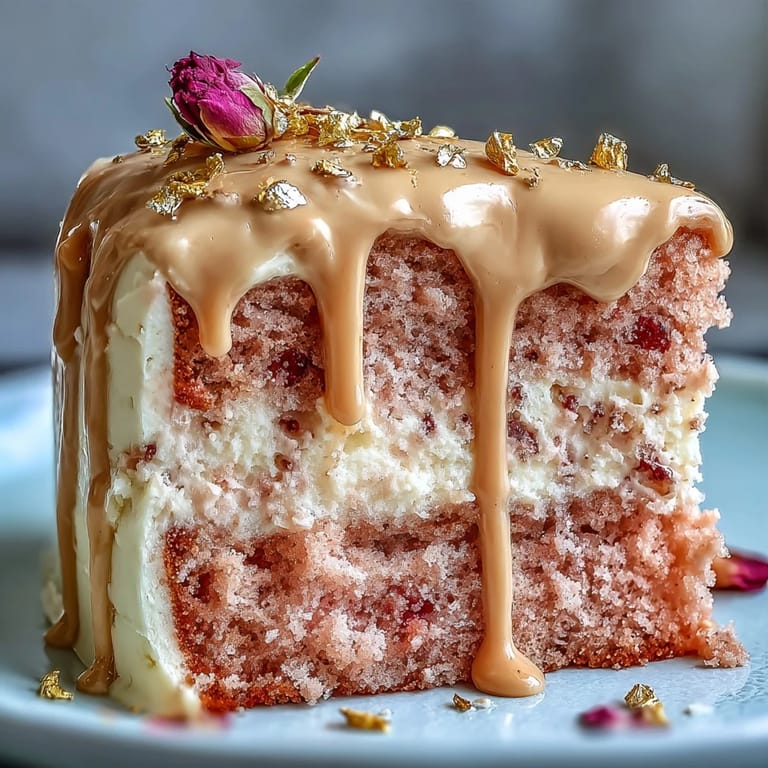
- If needed, level the cakes and stack them with buttercream between each layer. Apply a thin crumb coat, chill for 20 minutes, then sweep on a thick final layer; use gentle, swirling strokes.
- Gold Drip Magic:
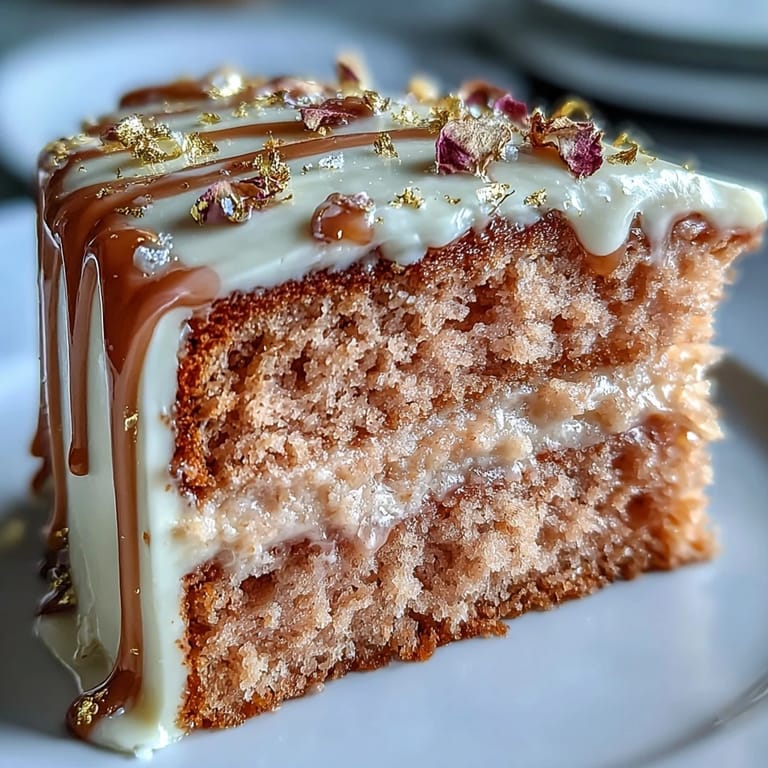
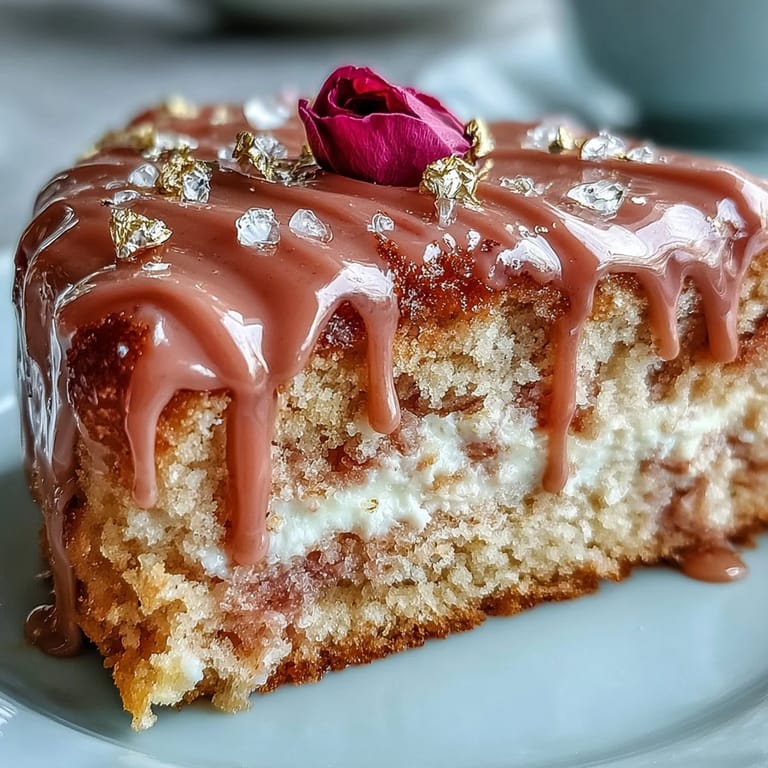
- Melt white chocolate chips with heavy cream until glossy, and let it cool briefly before drizzling over the edges. Mix luster dust with vodka into a gold paint and carefully brush onto the set drips—it feels like giving the cake its own jewelry.
- Decorate and Enjoy:
- Finish with rose petals, berries, or extra gold accents if you like. Step back, snap a photo, and serve with a glass of chilled rosé.
 Save to Pinterest
 At the end of that bridal shower, the cake was almost gone, except for one perfect slice we saved for the bride to enjoy at home—she said the gold shimmer made her feel like royalty. I smiled watching her wrap it up, knowing the kitchen adventure would turn into her midnight snack story.
Choosing the Right Rosé
I&aposve experimented with a few bottles for this recipe, and the drier varieties always brought out the elegant flavors best. Anything too sweet can tip the cake into candy territory, so it&aposs worth asking for recommendations at your wine shop or trying sparkling rosé for a whisper of celebration in each crumb.
Confessions from Cake Assembly
Leveling the layers used to make me nervous—you&aposd think sawing a cake would spell disaster, but a long serrated knife and slow, confident hands make it easy. Any scraps instantly become chef&aposs treats, sometimes dipped in leftover buttercream as a reward for patience.
Gold Drip Finishing Touches
Applying the gold paint always feels like the final magical moment, even if my drips aren&apost perfectly even. If the mixture seems too thick, add a few drops more alcohol for smooth painting—it dries quickly, revealing that dazzling shine.
- Paint the gold after the chocolate is fully set for the cleanest lines.
- Keep a damp towel handy to wipe misplaced drips from the cake board.
- Always taste a bit of the gold paint first—it should be entirely flavorless.
 Save to Pinterest
 This Rosé Velvet Cake turns any milestone into a memory, giving you more than just dessert. Now that you know all the tricks, I can't wait to hear what magic you create in your own kitchen.
Recipe FAQs
- → What rosé works best in the batter and buttercream?
Choose a dry or gently sparkling rosé for subtle floral and fruit notes; avoid overly sweet styles to keep the crumb balanced and the buttercream from becoming too sugary.
- → How do I keep the layers moist without soggy texture?
Use room‑temperature ingredients, avoid overmixing, and measure liquids precisely. Bake until a toothpick comes out clean, then cool in pans 10 minutes before turning out to finish cooling on a rack.
- → How do I make a stable rosé buttercream?
Beat unsalted butter until light, add sifted powdered sugar gradually, then fold in rosé and a pinch of salt. Adjust sugar or wine to reach piping consistency and refrigerate briefly before assembling if too soft.
- → What’s the safest way to create the gold drip?
Make a white‑chocolate ganache with chocolate and cream, cool slightly, then pour at the edge for controlled drips. Mix edible gold luster dust with a clear food‑safe spirit or lemon extract to paint the set drip.
- → How do I prevent the drip from running too much?
Chill the frosted cake until firm and test drip viscosity on a chilled plate. If the ganache is too thin, let it thicken slightly; if too thick, warm gently. Work quickly and chill again to set.
- → Can this be made ahead and stored?
Yes. Refrigerate the assembled cake in an airtight container for up to 24 hours; bring to room temperature before serving. Add fragile decorations like petals just before presentation.